The law of harvest and multiplication II

Dārgie draugi, es svētīju jūs šai dienā un lūdzu par to, lai acīmredzama Dieva klātbūtne pavada jūs visas šīs dienas garumā.

Vakar mēs uzsākām sarunu par spēku un potenciālu, kas apslēpts sēklā.
Šodien es gribētu sākt sīkāk izskatīt Jēzus līdzību, kura aprakstīta Marka evaņģēlija 4. nodaļā. Sāksim izskatīt līdzību par sējēju.

„Klausaities: raugi sējējs izgāja sēt. Un notika, sējot cita sēkla krita ceļmalā, un putni nāca un to apēda.Un cita krita uz akmenāju, kur tai nebija daudz zemes, un tā uzdīga tūdaļ, tāpēc, ka tai nebija dziļas zemes. Bet, kad saule bija uzlēkusi, tad tā savīta un nokalta, tāpēc, ka tai nebija saknes. Un cita krita starp ērkšķiem, un ērkšķi uzauga un to nomāca, un tā nenesa augļus. Un cita krita labā zemē un nesa augļus, kas uzdīga un augtin auga, un cita nesa trīsdesmitkārtīgi, cita sešdesmitkārtīgi un cita simtkārtīgi”(Marka, 4:3-8).

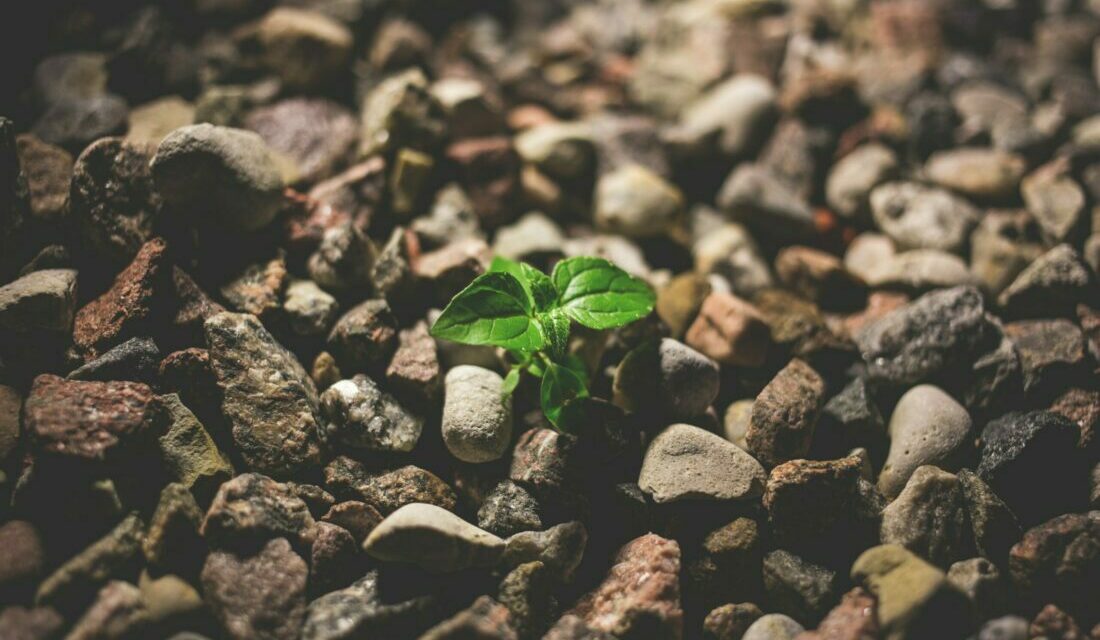
Šai līdzībā Jēzus stāsta par to, kas notiek ar sēklām, kuras mēs iesējam. Jēzus vērš mūsu uzmanību uz to, ka pirms sēšana ir svarīgi sagatavot augsni. Tas, ka Dievs mums iedevis sēklu, nenozīmē, ka varam kaisīt šo sēklu, kur vien vēlamies. Tas, ka Dievs mums iedevis sēklu, nenozīmē, ka mums nav jābūt apdomīgiem attiecībā uz to, kur sējam šo sēklu.
Augsne – tas ir mūsu sirds prototips, un Dievs norāda mums uz to, cik svarīgi ir sagatavot savu sirdi Dieva Vārda sēklas uzņemšanai, jo tā spēj glābt mūsu dvēseli un mainīt mūsu dzīvi.

Jēzus deva arī šīs līdzības skaidrojumu.

„Sējējs sēj vārdu”. (Marka, 4:14)

Sējējs izgāja sēt sēklu, bet sēkla – tas ir Dieva Vārds. Dieva Vārds kā sēkla nes sevī visu varenumu, visu Dievišķīgo dzīvi, radošo spēku, kurš spēj pārveidot jebkuru cilvēku un jebkuru situāciju. Šī sēkla tiek sēta mūsu sirdīs, tāpēc tik svarīgs ir mūsu sirds stāvoklis. Ja vēlamies, lai Dieva Vārds nestu augļus mūsu dzīvē, ir svarīgi tam sagatavot savu sirdi un aizvākt visu, kas var padarīt neefektīvu Dieva Vārda darbību un ietekmi mūsu dzīvē.
Rīt mēs runāsim par to, kādā veidā mēs varam sagatavot savu sirdi tā, lai Dieva Vārds spētu atnest reālus augļus mūsu dzīvē.

Lai Dievs jūs svētī!
Līdz rītdienai!
Mācītājs Rufus Adžiboije

Similar Posts

  • Apart from Him there is no true satisfaction and happiness! III

    We will continue about Solomon’s search for happiness, satisfaction and the meaning of life. We have already discussed that in the beginning of his life Solomon sought God and loved him, and God gave him wisdom and riches, happiness and fulfilment in life. But Solomon got caught up with superficial things of this world and started to follow other gods. Solomon started seeking for happiness and satisfaction in things and activities. He found only disappointment in them and then he turned back to his beginning.The story of Solomon is a lesson to all of us; it tells us that the meaning of life, happiness and satisfaction cannot be found anywhere but in God alone. So we need to develop and strengthen personal relationships with God.
  • What good does reading of the Bible does to a person?

    «All Scripture is given by inspiration of God, and is profitable for doctrine, for reproof, for correction, for instruction in righteousness…» (2 Timothy, 3:16).It is written that God’s Word is profitable for reproof. What is reproof? Reproof is when you are showed when you are being wrong. Quite often you and I are wrong; we need to be corrected by the Word of God.But the Bible not only corrects us; it also teaches us. The Bible disciplines and edifies us. The Bible helps us to realize how we can our lives and where to start.
  • Where to get joy?

    «The law of the Lord is perfect, converting the soul; the testimony of the Lord is sure, making wise the simple; the statutes of the Lord are right, rejoicing the heart; the commandment of the Lord is pure, enlightening the eyes» (Psalm 19:8-9).This passage of Scriptures tells us that one of the sources of joy is God’s Word, meditation on the Word and the perception of the (our) world through the prism of the Word. That is why it is so important for us to realize that if we want to remain in joy and learn to draw joy, we must grow in love with God’s Word.
  • Value God’s Word!

    Today God wants to tell us the same thing. The Word of God is life to us. When God sends us His Word, He offers us life. Rejecting the Word of God we reject life itself. Moses says about God’s Word: «For it is not a futile thing for you, because it is your life…»It is extremely important for us to appreciate the Word of God and not to treat it as something futile, – it is not like a song that we have listened to and then gone to do our own will. It should be to us like the greatest treasure. We have to value God’s Word, to hide it in our hearts, to appreciate it because it is life to us. God says that through the Word and through our right attitude towards it we can extend or prolong our days. Our attitude toward the Word determines whether we will extend our life or shorten it.
  • The steps God takes in disciplining us II

    If we listen to the conviction of the Holy Spirit that is communicated through the people God sends to us to correct us and repent of our sins, then He stops all the judgments. But, if we continue in our stubbornness and resist Him, God allows more trouble in our lives in order to show us that there are spiritual problems in us that we need to resolve. If after that we still resist Him and refuse to humble ourselves before Him, then He increases penalties. God does that because He loves us and does not want any of His children to perish.
  • If we are not ready to change and start resisting them, then we are not really ready to be a disciple of Jesus Christ

    What does it mean to be a disciple? A disciple is a person who is learning from someone else and knows that he needs to grow and gain some knowledge. A disciple is one who follows both the teaching and the life of his or her teacher. He imitates his teacher and later grows into the likeness of his teacher.